

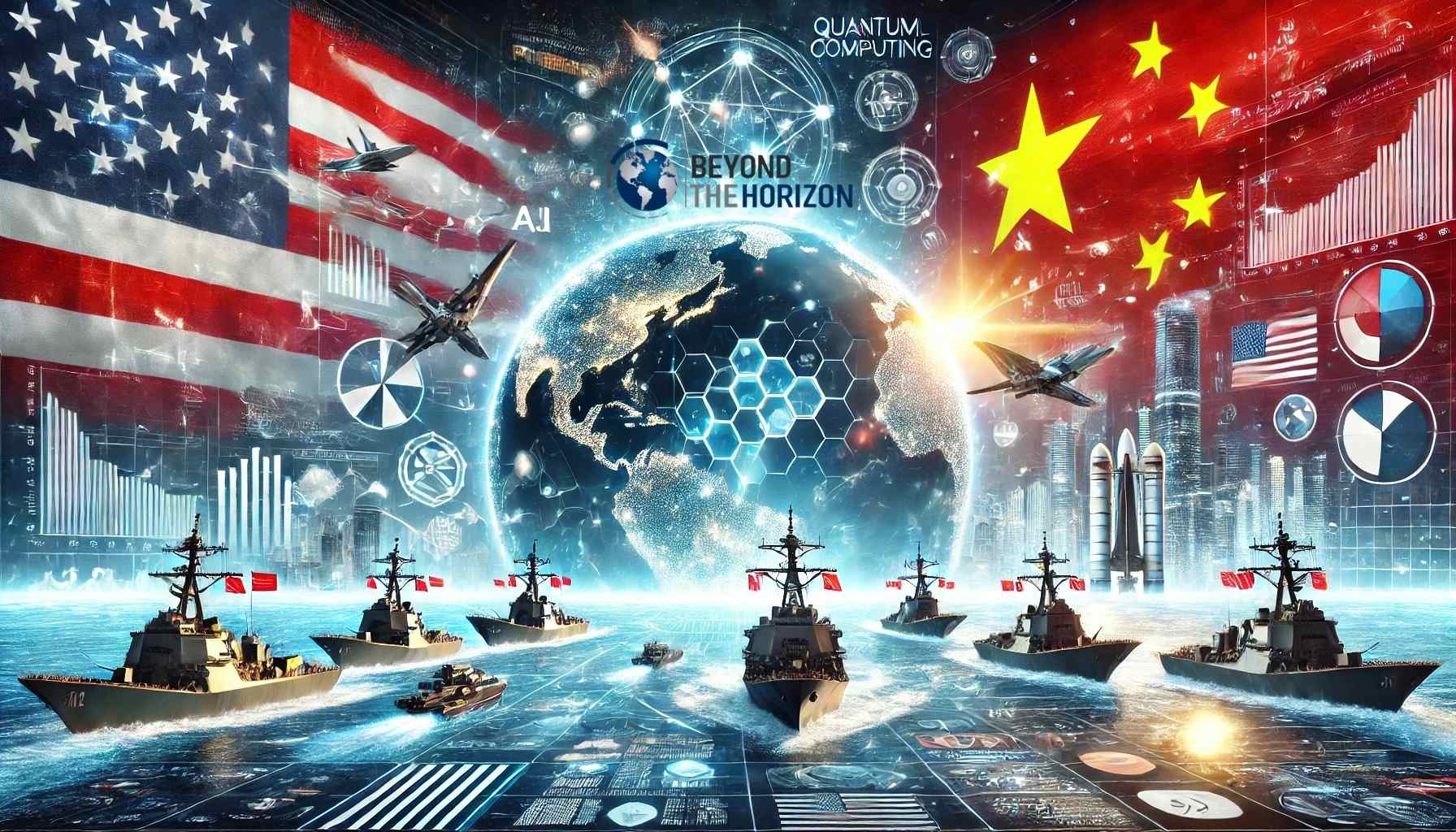
The global political landscape is changing rapidly as new political alliances emerge across different regions of the world. Countries are strengthening partnerships to improve economic growth, military cooperation, energy security, and technological development. These shifting alliances are influencing international relations in ways many experts did not predict. From Asia to Europe and the Middle East, governments are adjusting their foreign policies to respond to rising geopolitical tensions and changing economic priorities. As a result, global power is becoming more distributed, creating a new era of diplomacy, competition, and strategic influence.
The Rise of New Global Political Partnerships
Economic Cooperation Is Driving Stronger Alliances
Economic interests are becoming one of the biggest reasons countries are forming new political alliances. Nations are working together to secure trade routes, strengthen supply chains, and reduce dependence on traditional economic powers. Regional partnerships are expanding through investment agreements, infrastructure projects, and digital trade cooperation. These economic relationships are helping countries increase stability while also giving them more influence in global markets. As international competition grows, economic diplomacy is becoming a major force behind modern geopolitical strategies.
Security Concerns Are Changing International Relations
Growing security threats are pushing countries to build stronger military and strategic partnerships. Governments are increasing defense cooperation to address issues such as cyberattacks, regional conflicts, and border tensions. Many nations are sharing intelligence, conducting joint military exercises, and expanding defense agreements to protect national interests. These developments are reshaping international relations because countries are no longer relying only on traditional allies. Instead, they are creating flexible security networks designed to respond quickly to changing global threats.
Emerging Economies Are Gaining More Political Influence
Emerging economies are playing a much larger role in global politics than in previous decades. Countries with growing industries, large populations, and expanding technological capabilities are becoming influential players in international decision-making. These nations are forming alliances that challenge the dominance of long-established global powers. Their increased influence is changing how international organizations operate and how global policies are negotiated. As economic strength shifts toward developing regions, political power is also becoming more balanced across the world.
How Political Alliances Are Affecting Global Power
Traditional Superpowers Are Facing New Competition
For many years, a small number of countries held most of the global political influence. However, new alliances are creating stronger competition in diplomacy, trade, and defense. Emerging regional blocs are gaining confidence and pushing for greater independence in international affairs. This shift is reducing the ability of traditional superpowers to control global decisions alone. As multiple countries gain influence, the world is moving toward a more competitive and multipolar political system.
Energy Partnerships Are Reshaping Geopolitical Strategies
Energy security has become a critical factor in modern political alliances. Countries are forming partnerships to secure access to oil, gas, renewable energy, and critical minerals. Governments are also investing in long-term energy agreements to reduce economic risks and protect national interests. These partnerships are influencing global trade routes and diplomatic relationships. Nations that control valuable energy resources are gaining stronger bargaining power, making energy diplomacy a central part of international politics.
Technology Cooperation Is Becoming a Strategic Priority
Technology is now deeply connected to global power and political influence. Countries are creating alliances focused on artificial intelligence, cybersecurity, semiconductor production, and digital infrastructure. Governments understand that technological leadership can strengthen economies and national security at the same time. As competition for innovation increases, international technology partnerships are becoming more important. These alliances are helping countries share research, improve digital security, and compete more effectively in the global economy.
The Future of Global Politics and International Alliances
Regional Alliances Will Continue to Expand
Regional political alliances are expected to grow stronger in the coming years. Countries are increasingly focusing on nearby partners to improve trade, security, and economic cooperation. Regional organizations are gaining more importance because they allow governments to respond faster to local challenges. This trend is creating a more decentralized global political system where regional influence matters more than ever before. As a result, local partnerships may shape future international policies and economic strategies.
Diplomatic Flexibility Is Becoming More Important
Modern international relations are becoming less predictable, forcing countries to adopt more flexible foreign policies. Governments are now building relationships with multiple partners instead of depending on a single alliance. This diplomatic flexibility allows nations to protect their interests in an unstable global environment. Countries are balancing economic cooperation with security priorities while also managing political competition. Flexible diplomacy is becoming essential for maintaining stability in a rapidly changing geopolitical landscape.
Global Power Structures May Shift Faster Than Expected
The pace of geopolitical change is accelerating due to economic transformation, technological growth, and rising regional influence. Political alliances that once seemed unlikely are now becoming major forces in international affairs. This rapid evolution could significantly reshape global power structures within the next decade. Countries that adapt quickly to these changes may gain stronger influence, while others could struggle to maintain their traditional positions. The future of global politics will likely be defined by cooperation, competition, and strategic partnerships.
FAQs
What are political alliances?
Political alliances are partnerships between countries formed to achieve shared economic, military, or diplomatic goals.
Why are new political alliances important?
They influence global trade, security, technology, and international relations while reshaping world power structures.
How do alliances affect global politics?
Alliances strengthen cooperation between countries and can shift political influence away from traditional powers.
What role does technology play in political alliances?
Technology cooperation improves cybersecurity, innovation, and economic competitiveness between partner nations.
Will global power continue to change?
Yes, changing economies, regional growth, and new diplomatic partnerships are expected to reshape global influence further.
Conclusion
New political alliances are transforming global power faster than many analysts expected. Economic cooperation, security partnerships, energy diplomacy, and technological collaboration are all driving major changes in international relations. As emerging economies gain influence and regional alliances expand, the global political system is becoming more balanced and competitive. Countries that successfully adapt to these evolving geopolitical trends will likely shape the future of international diplomacy and global leadership.