

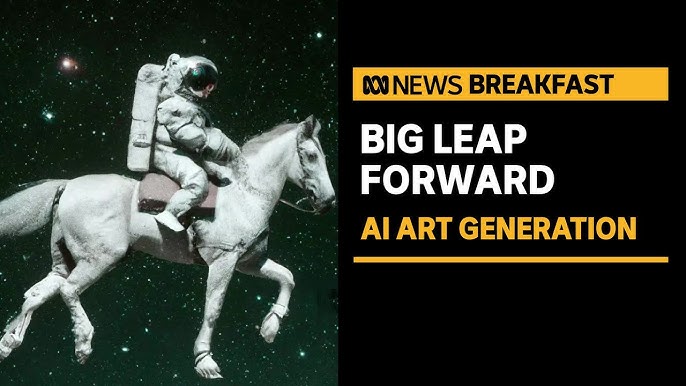
Artificial Intelligence (AI) has entered a new era where progress is happening faster than ever before. What once felt like future technology is now shaping daily life, industries, and global economies in real time. From smarter automation to advanced generative systems, AI is no longer just a tool—it is becoming a core part of digital transformation. This major leap forward is changing how businesses operate, how people work, and how information is created and consumed.
Breakthroughs in Modern Artificial Intelligence Systems
Advanced Generative AI Models
Modern generative AI models have significantly improved in understanding context, language, and creativity. These systems can now produce human-like text, images, and even code with higher accuracy and relevance. The biggest change is not just output quality but the ability to maintain long, meaningful conversations and adapt to user intent more effectively.
Improved Natural Language Understanding
AI systems have become far better at understanding natural human language, including tone, intent, and complex queries. This improvement allows AI to respond more naturally and accurately in real-world scenarios. As a result, communication between humans and machines feels smoother and more intuitive than ever before.
Multimodal AI Capabilities
A major leap forward is the rise of multimodal AI, which can process text, images, audio, and video together. This allows systems to analyze information in a more human-like way. Instead of working with one type of data, AI can now combine multiple inputs to generate deeper insights and more accurate outputs.
Impact of AI on Industries and Global Workflows
Transformation of Business Operations
AI is transforming how businesses manage operations by automating repetitive tasks and improving decision-making processes. Companies are now using AI-driven tools for customer support, marketing analysis, and supply chain optimization. This shift is increasing efficiency while reducing operational costs across industries.
Rise of AI-Powered Work Automation
One of the most significant changes is the rise of automation powered by AI. Tasks that once required human effort, such as data entry and basic analysis, are now handled by intelligent systems. This allows employees to focus on more strategic and creative work, improving overall productivity.
Changing Job Roles and Skill Demand
The advancement of AI is reshaping job markets worldwide. While some traditional roles are becoming automated, new opportunities are emerging in AI development, data science, and digital strategy. This shift is increasing demand for technical and analytical skills in the modern workforce.
Future Outlook of Artificial Intelligence Development
Continuous Learning and Self-Improving Systems
AI systems are now evolving toward continuous learning, where models improve themselves over time using new data. This ability makes AI more adaptive and efficient in solving complex problems. It also reduces the need for constant manual updates, making systems smarter with each interaction.
Ethical AI and Responsible Development
As AI grows more powerful, ethical considerations have become a major focus. Developers are working on creating responsible AI systems that ensure fairness, transparency, and data privacy. This shift is essential to building trust and preventing misuse of advanced technologies.
Integration of AI in Daily Life
AI is increasingly becoming part of everyday life through smart assistants, personalized recommendations, and intelligent devices. This integration is making technology more accessible and user-friendly. Over time, AI is expected to become an invisible but essential part of daily human activities.
FAQs
1. What is the biggest change in modern AI?
The biggest change is the development of advanced generative and multimodal AI systems that can understand and create complex content.
2. How is AI affecting jobs today?
AI is automating repetitive tasks while creating new opportunities in technology, data analysis, and digital industries.
3. What are multimodal AI systems?
These are AI systems that can process and understand multiple types of data like text, images, audio, and video together.
4. Is AI replacing human workers completely?
No, AI is mainly transforming job roles rather than fully replacing humans, especially in creative and strategic fields.
5. Why is ethical AI important?
Ethical AI ensures fairness, transparency, and safety, preventing misuse and building trust in AI systems.
Conclusion
Artificial Intelligence has taken a massive leap forward, reshaping how technology interacts with humans and industries worldwide. From smarter language understanding to multimodal capabilities and automation, AI is evolving at an unprecedented pace. While it brings challenges, it also opens up powerful opportunities for innovation, efficiency, and growth. The future of AI is not just about technology advancement but about how responsibly and effectively it is integrated into human life.