

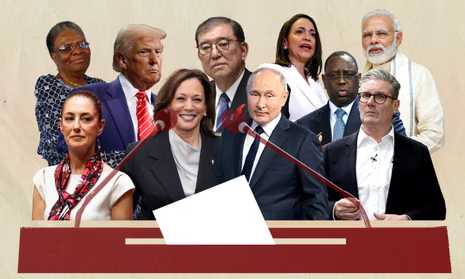
The global political landscape is becoming increasingly unstable as world leaders struggle to manage rising international tensions, economic uncertainty, and growing public pressure. From diplomatic conflicts to trade disputes and security concerns, countries across the world are entering a new phase of political instability that is reshaping global relations. As governments attempt to protect national interests while maintaining international cooperation, the political climate continues to grow more complex. These developments are not only affecting global markets and foreign policies but are also influencing the daily lives of millions of people worldwide.
Rising Global Conflicts Increase Political Pressure
Diplomatic Relations Are Becoming More Fragile
Diplomatic ties between major nations have weakened in recent years as disagreements over trade, military activity, and geopolitical influence continue to grow. Several global leaders are facing criticism for their handling of foreign policy decisions, leading to strained international relationships. Political experts believe that growing mistrust between powerful countries may create long-term challenges for global cooperation. As tensions rise worldwide, governments are being forced to rethink their diplomatic strategies to avoid further instability and conflict.
Military Tensions Continue to Raise Concerns
Military activity in several regions has increased fears of larger international confrontations. Countries are strengthening defense systems, increasing military spending, and conducting strategic operations in response to rising security threats. These developments have placed global leaders under pressure to maintain national security while preventing escalation. The growing focus on military preparedness reflects how political tensions are now closely connected to global defense policies and international stability.
Trade Disputes Affect International Stability
Trade disagreements between major economies are creating additional political pressure across global markets. Restrictions on imports, export regulations, and economic sanctions are affecting business growth and international partnerships. Political leaders are now balancing domestic economic interests with the need to maintain global trade relationships. As economic competition intensifies, experts warn that trade conflicts could contribute to wider political instability and increase tensions between nations.
Economic Challenges Add Pressure on World Governments
Inflation and Economic Uncertainty Impact Leadership
Rising inflation and economic uncertainty have become major concerns for governments worldwide. Many countries are struggling with higher living costs, slower economic growth, and public dissatisfaction. Global leaders are facing increasing pressure to deliver economic stability while addressing social concerns. Economic struggles often influence political popularity, making financial recovery one of the biggest priorities for governments during periods of global tension.
Energy Crises Continue to Influence Global Politics
Energy shortages and rising fuel prices are significantly affecting international politics and economic planning. Countries are competing for energy resources while also attempting to reduce dependence on foreign suppliers. These challenges are creating new alliances and increasing political competition in the global energy market. As energy demand grows, world leaders must manage both economic needs and environmental responsibilities in a highly competitive international environment.
Public Protests Reflect Growing Political Frustration
In many regions, public protests and political demonstrations are becoming more common as citizens express frustration over economic conditions and government policies. Social unrest often places additional pressure on political leaders who are already dealing with international challenges. Governments are now focusing more on public communication, policy reforms, and national unity to maintain political stability. The rise in protests highlights the growing connection between domestic issues and global political tensions.
Global Leadership Faces a Rapidly Changing Future
Technology and Cybersecurity Shape Modern Politics
Technology is playing a major role in global politics as cybersecurity threats and digital misinformation continue to rise. Governments are investing heavily in digital security systems to protect national interests and critical infrastructure. Cyberattacks and online political influence campaigns have created new risks for global stability. Political leaders are now required to manage not only traditional diplomatic issues but also emerging technological threats that can quickly affect international relations.
Climate Policies Create International Debate
Climate change policies are becoming a central issue in global political discussions. Countries are debating environmental regulations, clean energy investments, and carbon reduction targets while trying to protect economic growth. These disagreements have created divisions between developed and developing nations over responsibility and financial support. As climate concerns become more urgent, political leaders must balance environmental action with economic and industrial priorities.
International Alliances Are Being Reconsidered
Many countries are reevaluating international alliances and strategic partnerships as global power dynamics continue to shift. Political leaders are strengthening regional cooperation while also protecting national interests in an increasingly competitive world. These changes are reshaping global diplomacy and influencing future economic and security decisions. The evolving political environment suggests that international relationships may continue to change rapidly in the coming years.
FAQs
1. Why are global political tensions increasing?
Global political tensions are increasing due to economic challenges, military conflicts, trade disputes, and geopolitical competition.
2. How do political conflicts affect the global economy?
Political conflicts can disrupt trade, increase inflation, affect investments, and create uncertainty in financial markets.
3. Why are world leaders facing more pressure today?
Leaders are dealing with economic instability, public dissatisfaction, international conflicts, and security concerns at the same time.
4. What role does technology play in global politics?
Technology influences cybersecurity, digital communication, political campaigns, and international information sharing.
5. How can international cooperation reduce tensions?
Diplomatic dialogue, trade agreements, and peaceful negotiations can help countries manage conflicts and maintain stability.
Conclusion
The current wave of political uncertainty is creating major challenges for governments and global institutions around the world. Rising tensions, economic pressures, military concerns, and technological risks are forcing world leaders to make difficult decisions in an increasingly unstable environment. As global politics continue to evolve, international cooperation and responsible leadership will remain essential for maintaining peace, economic stability, and long-term global progress.